Understanding International Parrot Travel Import and Export Regulations for Enthusiasts
- Marko Hernandez
- Jun 25, 2025
- 4 min read

International travel can be an adventure filled with excitement, especially for avian enthusiasts eager to share their love for parrots with others worldwide. However, navigating the complex landscape of parrot travel requires a solid understanding of the regulations surrounding the import and export of these extraordinary birds. This guide will provide clear and actionable insights to ensure your parrot travels safely and legally.
Why Import and Export Regulations Matter
Import and export regulations exist to protect wildlife, including parrots. These rules guard against smuggling and overexploitation, helping to conserve species that may be threatened. Each country has unique regulations that must be followed. For example, countries like the United States have strict laws under the Animal Welfare Act, while others may have different rules. Being knowledgeable about these regulations is essential for any parrot enthusiast who wishes to travel internationally with their feathered companions.
Overview of International Regulations
Several international agreements shape the landscape of parrot import and export. The most significant one is the Convention on International Trade in Endangered Species of Wild Fauna and Flora (CITES). CITES plays a vital role in ensuring that international trade does not pose a threat to wild species.
CITES Permits
Parrots fall under different CITES appendices, each requiring specific permits for international trade. Here are some examples:
Appendix I: Includes species threatened with extinction, such as the Spix's Macaw, which requires a special export permit and cannot be traded commercially.
Appendix II: Covers species like the African Grey Parrot, which is not currently threatened but could become so without regulated trade. Export permits are required, but they are easier to obtain compared to Appendix I species.
Appendix III: Contains species that one country has requested help in protecting from over-exploitation. For instance, the Patagonian Conure is listed here and can be subject to specific regulations based on its country of origin.
Knowing the appendix your parrot species is listed under is crucial for compliance.
National Regulations
Beyond CITES, national regulations greatly influence your travel plans. Countries have their own laws regarding the import and export of animals, which may include specific requirements for documentation and health certificates.
Research Destination Regulations
Before you leave, researching the regulations pertaining to your destination country is essential. For instance, Australia has strict rules prohibiting the import of certain parrot species and requires a lengthy quarantine period for others. Some countries may also require specific tests for diseases like West Nile Virus or Avian Influenza. Being aware of these regulations beforehand will spare you unnecessary stress and ensure you remain compliant.
Health and Safety Requirements
Ensuring the health of your parrot before traveling is critical. Obtaining a health certificate from a qualified veterinarian is usually necessary. This certificate confirms that the bird has been examined and is free from common avian diseases.
Vaccinations
Vaccinations may also be required for certain diseases in your parrot, such as avian flu. For example, Hawaii mandates that birds coming from outside the state provide proof of avian flu vaccination. Familiarize yourself with the specific health requirements for your destination to guarantee that all necessary vaccinations are completed well ahead of your trip.
Documentation Needed for Parrot Travel
Specific documents are necessary for the legal import and export of parrots. These typically include:
CITES permits (if applicable)
Import/export permits from both countries involved
Microchip identification documents
Making sure that all your paperwork is correctly filled out and organized before travel will facilitate a smoother customs process.
Traveling with Your Parrot
After ensuring compliance with all regulations, consider the travel experience for your parrot. This entails choosing the right travel carrier, maintaining climate control during transit, and establishing proper feeding schedules.
Choosing the Right Carrier
Selecting a comfortable travel carrier is crucial. Your carrier must be well-ventilated and secure, allowing your parrot enough room to stand upright and turn around comfortably. For instance, many airlines require carriers to have specific dimensions, and a standard size for smaller parrots is around 12 x 12 x 18 inches. Be sure to check your airline's specific guidelines for pet carriers to avoid surprises.
Managing Stress During Travel
Travel can be nerve-wracking for parrots. To help manage stress, acclimate them to their carrier well ahead of time. Stick to their routine as much as possible and include comforting items like favorite toys. These steps can significantly diminish anxiety during transit.
Customs Procedures
Upon arriving at your destination, you will need to navigate customs procedures carefully. Customs officials will likely check all documentation to verify that it is in order and that your bird is healthy. Being polite and clear about your travel documents can help ease this process and lessen anxiety for both you and your parrot.
Preparing for Your Adventure
Navigating the complexities of international parrot travel demands careful attention to various regulations. Understanding CITES agreements, national laws, health requirements, and necessary documentation is vital for ensuring a smooth experience for both you and your parrot.
Preparation is essential. By focusing on your parrot's well-being and adhering to legal guidelines, you can embark on your journey with confidence. Remember, comprehending these regulations not only benefits you as a parrot enthusiast but also contributes significantly to the conservation of these remarkable birds.
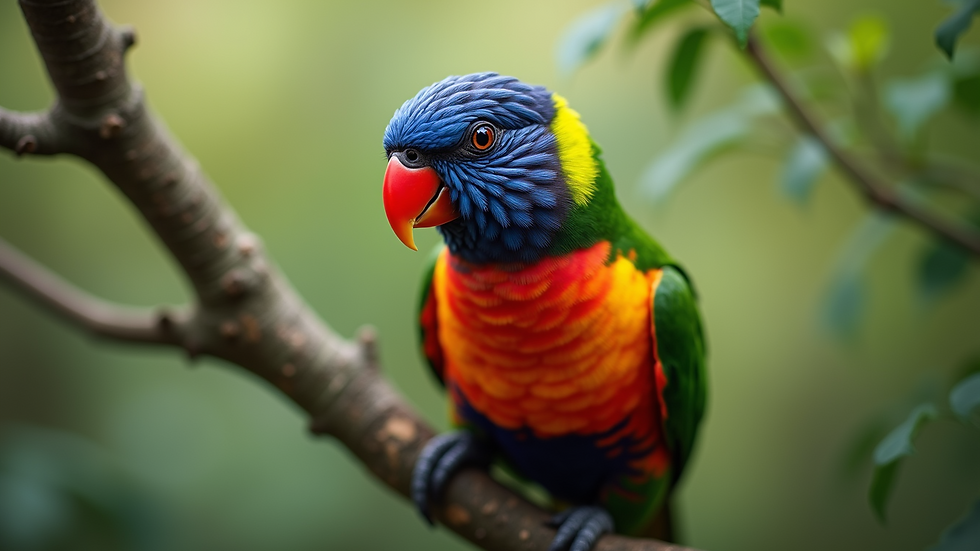
As you plan your next adventure, check the regulations, gather your documents, and ensure a safe, compliant journey for your beloved parrot!


Comments